Exhibition Stand Design Dubai for Gulfood 2027 Stand Builders
Table of Contents
Gulfood Dubai 2027 runs 15–19 March 2027 across two venues — the Dubai World Trade Centre and the newly expanded Dubai Exhibition Centre at Expo City Dubai — bringing together 8,500+ exhibitors from 195 countries. For food, beverage and FMCG brands, the right exhibition stand design is what turns a crowded sourcing hall into real buyer conversations, and this guide covers everything a first-time or returning exhibitor needs to know: design approach, fabrication process, cost planning, logistics, and how to choose the right exhibition stand builders in Dubai.
Gulfood Dubai 2027 — Event Overview
Gulfood has grown into the Gulf region's single largest food and beverage sourcing event, and the 2027 edition marks a significant expansion with two mega venues operating together for the first time in the show's history. Understanding the event's scale and structure is the first step in planning a stand that performs well on a show floor of this size.
| Detail | Information |
|---|---|
| Dates | 15–19 March 2027 |
| Venues | Dubai World Trade Centre & Dubai Exhibition Centre, Expo City Dubai |
| City / Country | Dubai, United Arab Emirates |
| Exhibitors | 8,500+ from 195 countries |
| Products on display | 1.5 million+ |
| Sourcing sectors | 11 dedicated sectors including dairy, fresh produce, oils and fats, beverages, meat and poultry, grains, and food logistics |
| Show timings | 15–18 March: 10:00 AM–6:00 PM · 19 March: 10:00 AM–5:00 PM |
Why the Two-Venue Format Changes Stand Planning
Because the show now spans two separate venues, exhibitors need to plan their stand logistics with the specific hall and location in mind. Loading access, build-up schedules, visitor footfall patterns, and even the overall atmosphere of a hall can differ noticeably between the long-established Dubai World Trade Centre and the newer Dubai Exhibition Centre at Expo City. Exhibitors who confirm their hall early can plan a stand design that works with that venue's ceiling heights, power access points, and loading-dock distances, rather than designing first and discovering constraints later during build-up.
Why Gulfood Is Important for Food and Beverage Businesses
Gulfood draws buyers, distributors, importers, retail chains and hospitality procurement teams from across the Middle East, Africa, Central Asia and the wider world. For exporters and manufacturers, it is one of the very few events where product discovery, distribution partnerships, and brand visibility can all happen within the same five-day window, under one roof.
The expansion to two venues for 2027 signals continued growth in exhibitor demand, but it also means more stands competing for the same buyer attention. A brand with a strong presence on day one can secure meetings that carry on for the rest of the week, while a forgettable stand is often walked past without a second glance. This is exactly why early, considered exhibition stand design planning matters more at Gulfood than at many other trade shows — the window to make a first impression is measured in seconds, not minutes.
For many exhibitors, Gulfood is also a once-a-year opportunity to meet an entire region's buyers in one place, rather than travelling separately to a dozen smaller markets. That concentration of decision-makers is precisely why the investment in a well-planned stand tends to pay back quickly — a single strong distribution conversation at the show can be worth more than months of individual outreach.
Why Your Exhibition Stand Matters at Gulfood
With thousands of exhibitors spread across two venues, buyers typically plan their walking routes in advance and make fast stop-or-skip decisions at each aisle — often within just a few seconds of seeing a stand. A layout that is visually clear, well-branded, and easy to navigate earns more qualified stops than one that blends into the row of neighbouring booths.
This holds true whether you are a dairy exporter, a beverage brand, a spice company, or a packaged foods manufacturer. The stand is frequently the first — and sometimes only — impression a buyer gets before deciding whether to walk in, ask a question, or move on to the next aisle. A thoughtfully designed stand does three things at once: it signals product category instantly, it builds enough trust for a buyer to stop, and it gives your sales team a comfortable space to turn that stop into a real conversation.
It's worth noting that stand quality is also read by buyers as a signal of business quality. A cramped, poorly finished, or inconsistently branded stand can quietly raise doubts about production standards or export readiness — even if the product itself is excellent. Conversely, a clean, well-lit, professionally finished stand builds a baseline of confidence before a single word is exchanged.
Exhibition Stall Design for Gulfood Dubai 2027
For Indian and South Asian exhibitors in particular, exhibition stall design is the term most commonly used when researching a Gulfood stand — and the underlying design process is the same regardless of terminology, whether you call it a stall, a stand, or a booth. It starts with understanding your product category, your allotted booth location, and the buyer profile you want to attract on the show floor.
A well-designed Gulfood stall typically includes the following elements:
Clear brand visibility — a brand identity that reads clearly from the aisle, not only once a visitor is standing directly in front of the stand.
Product tasting or sampling zones — dedicated space for food and beverage brands to let buyers experience the product directly rather than relying on packaging alone.
Cold storage or refrigerated display — essential for dairy, meat, and fresh produce exhibitors who need to keep products at the correct temperature throughout the show.
A private meeting or negotiation area — somewhere buyers and your sales team can discuss pricing, distribution terms, and order quantities away from the open aisle.
Storage space — for samples, packaging materials, promotional literature, and backup stock that needs to stay out of sight but within easy reach.
Getting this balance right — open enough to invite visitors in, but structured enough to support real business conversations — is where experienced exhibition stall design makes a measurable difference to the number of genuine enquiries a stand generates.
Designing Around the Buyer's Journey
One useful way to think about stall design is to map it to how a buyer actually moves through a five-day sourcing show. On day one, buyers are scanning broadly — this is when strong aisle-visible branding earns the stop. Once inside, product display and tasting determine whether they stay. If the conversation goes well, they need somewhere private enough to discuss real numbers. And before they leave, they need something — a card, a catalogue, a sample pack — that keeps your brand in mind after they've walked past fifty other stands that same afternoon. A stand designed around this sequence, rather than purely around aesthetics, tends to convert far more visitors into real leads.
Custom Exhibition Stand Design and Booth Building
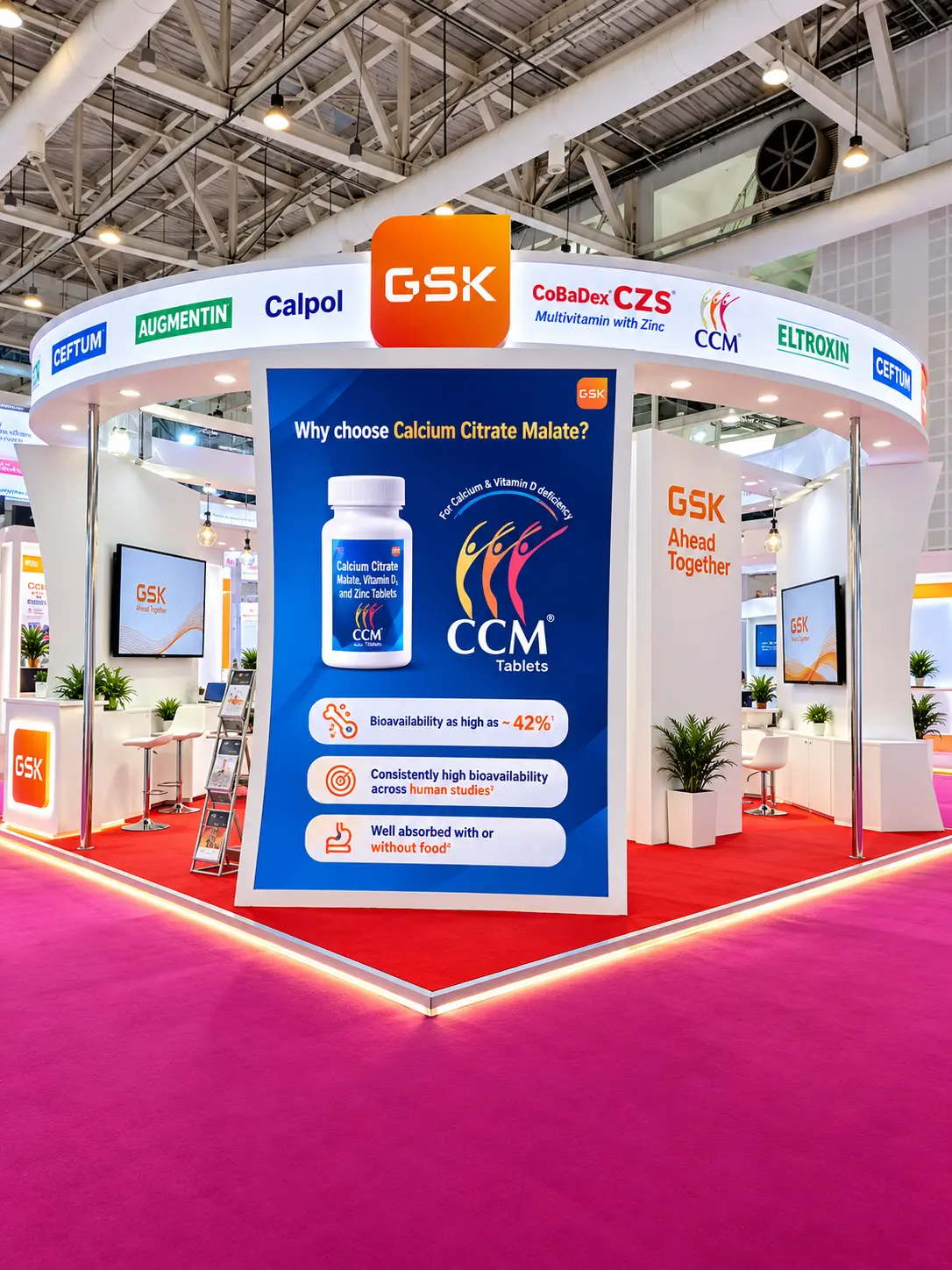
A custom exhibition stand is built specifically around your plot size, product range, and branding — as opposed to a standard shell-scheme booth supplied by the event organiser. For brands launching a new product line, or making a first impression on Gulf buyers, a custom build allows full control over layout, lighting, material finish, and visitor flow in a way a generic shell scheme simply cannot match.
Krrish Creation handles exhibition stall design from the first concept sketch through full 3D visualisation, so exhibitors can review, request changes, and formally approve the stand before a single panel is fabricated. This review stage matters most for exhibitors who will not be on-site in Dubai during the build-up period and need full confidence in the design before construction begins.
A custom build also allows for details that a shell-scheme simply can't accommodate — a raised platform for better sightlines, an integrated cold display counter built into the structure rather than placed as a separate unit, or a private meeting room with proper acoustic separation from the show floor noise. These are small details individually, but together they shape how professional and considered your brand appears over five demanding show days.
Exhibition Stand Fabrication and Production
Exhibition stand fabrication is the construction phase — turning an approved 3D design into physical structure, graphics, and fittings ready for installation at the venue. This stage covers structural framing, surface finishing, branded graphics printing, furniture selection, lighting installation, and any functional elements such as counters, display shelving, refrigeration units, or audio-visual integration.
Our exhibition stand fabrication process is managed in-house end-to-end, which keeps design intent, material quality, and finishing consistent from the first sketch to the finished stand — rather than splitting the job across multiple uncoordinated vendors, each with their own interpretation of the brief. This matters particularly for food and beverage exhibitors, where hygiene-grade finishes, refrigeration integration, and tasting-zone plumbing or electrical requirements need to be planned into the structure from day one, not retrofitted at the last minute.
What Happens During Fabrication
Structural framing — the core skeleton of the stand is built first, using aluminium or timber framing systems sized to the approved design and plot.
Surface finishing — panels are laminated, painted, or veneered to match the approved material palette and brand colours.
Graphics production — branded signage, product imagery, and wall graphics are printed and mounted to the structure.
Functional fit-out — counters, shelving, lighting fixtures, refrigeration units, and AV equipment are installed and tested.
Quality check — the fully assembled stand is reviewed in the workshop before being broken down for transport, catching any finishing issues well before it reaches the show floor.
Exhibition Booth Ideas for Food and Beverage Brands
Food and beverage exhibitors have design needs that differ meaningfully from general industrial or technology exhibitors. The following ideas consistently perform well at large sourcing shows like Gulfood:
Live tasting counters — placed at the front of the stand, facing the aisle, to draw footfall and give buyers a direct, memorable product experience within seconds of arriving.
Cold chain display units — for dairy, beverages, frozen and fresh produce, built directly into the stand design rather than added as an afterthought once fabrication is underway.
Packaging walls — a dedicated visual display of your full product range and SKU variety, helping buyers quickly understand the breadth of what you offer without needing to ask.
Digital screens — showing production facilities, certifications, export capability, or quality processes, which helps build buyer confidence quickly, especially for buyers evaluating a new supplier for the first time.
Branded uniforms and signage — reinforcing brand recall across a demanding five-day show, where visitors see hundreds of stands and remember very few by name alone.
Interactive sampling stations — for exhibitors with a varied product line, a guided tasting sequence (rather than an open self-serve table) keeps staff engaged with each visitor and creates a natural opening for conversation.
Stand Design for Food, Beverage, FMCG and Export Companies
Different exhibitor categories at Gulfood benefit from different stand priorities, and understanding where your business fits helps focus the design brief from the very first planning conversation:
| Exhibitor Type | Design Priority |
|---|---|
| Dairy & Fresh Produce | Cold display integration, hygiene-forward presentation, visible freshness cues |
| Beverages | Sampling stations, chilled display, bold and distinctive branding |
| FMCG / Packaged Foods | Packaging walls, SKU variety display, retail-style merchandising |
| Food Exporters | Certification and compliance display, dedicated meeting zones for distribution deals |
| Grains & Bulk Commodities | Specification tables, sample displays, B2B negotiation space |
Many exhibitors fall across more than one category — a packaged foods exporter, for example, benefits from both the merchandising approach used by FMCG brands and the certification-forward presentation used by exporters. A good design brief accounts for this overlap rather than forcing a brand into a single template.
Small, Medium and Large Exhibition Stand Options
Gulfood accommodates exhibitors across a very wide range of plot sizes, and the right exhibition stand design approach should scale with your plot rather than simply shrinking or stretching a single template:
Small stands, 9–18 sqm — compact, high-impact branding built around one focal display and a small meeting counter, typically suited to first-time exhibitors or single-product brands testing the Gulf market.
Medium stands, 18–50 sqm — enough room for a tasting zone, a product wall, and a semi-private meeting area, suiting brands with an established product range looking to grow distribution.
Large stands, 50 sqm and above — multiple functional zones including display, tasting, meeting rooms, and storage, often built with a raised or double-height structure to maximise visibility across a busy hall.
A common mistake is choosing a plot size based on budget alone, without mapping it to how many product lines and buyer conversations the stand actually needs to support at once. A small stand crammed with too many functions often performs worse than a slightly larger stand with a clearer, more focused layout.
Island, Peninsula, Corner and Inline Booth Designs
Your booth's layout type at Gulfood significantly affects both design options and overall visibility, and it is one of the first things to confirm with the organiser before design work begins:
| Booth Type | Open Sides | Best For |
|---|---|---|
| Inline / Row Booth | 1 side open | Smaller plots, cost-conscious first-time exhibitors |
| Corner Booth | 2 sides open | Brands wanting more visibility without a full island budget |
| Peninsula Booth | 3 sides open | Mid-to-large exhibitors wanting strong visibility from three aisles |
| Island Booth | 4 sides open | Flagship exhibitors wanting maximum visibility and a fully custom structure |
An island booth offers the most creative freedom since design elements can be approached from every direction, but it also comes with the highest cost per square metre. For many mid-sized exhibitors, a well-designed corner or peninsula booth delivers a strong balance of visibility and budget efficiency, often capturing most of the visual impact of an island stand at a meaningfully lower cost.
3D Exhibition Stand Design and Visualisation
Before any fabrication begins, a full 3D render lets exhibitors see exactly how their stand will look on the show floor — layout, lighting, signage placement, and visitor flow — and request changes before committing to production. This step is particularly valuable for exhibitors who cannot travel to Dubai to inspect the build in person before the show opens, since it removes most of the guesswork around how the finished stand will actually appear.
A good 3D design process includes at least one revision round, giving exhibitors the chance to adjust layout, swap finishes, or reposition key display elements before fabrication locks the design in place. Approving a design without this step often leads to costly on-site changes once the stand is already built.
Exhibition Stand Graphics, Lighting and Branding
Strong graphics and considered lighting are often what separates a stand that gets noticed from one that gets walked past without a second look. The key elements worth prioritising include:
High-resolution branded graphics — visible and legible from aisle distance, not only up close.
Backlit or feature lighting — placed on key product displays to draw the eye and highlight your best-selling or flagship products.
Consistent brand colours and typography — applied across every stand surface, from the main fascia to small signage, so the brand reads as one coherent identity rather than a mix of printed elements.
Clear, large-format signage — naming your product category plainly, since buyers scanning a sourcing hall often decide where to stop within seconds, and unclear signage costs genuine footfall.
Materials and Finishes Used in Stand Fabrication
Common materials used in exhibition stand fabrication for shows like Gulfood include MDF and laminate panelling, aluminium framing systems such as Octanorm-style modular structures, vinyl and fabric graphics, acrylic and glass display fittings, and LED lighting systems. Material choice affects both the finished visual quality and the stand's weight for shipping and logistics — an important factor for exhibitors shipping stand components internationally into Dubai rather than sourcing locally.
Finish selection also affects maintenance during the show — matte laminates hide fingerprints and dust better over a five-day run than high-gloss surfaces, while fabric graphics tension systems tend to stay crisp-looking longer than simple printed vinyl panels in a high-footfall hall.
Turnkey Exhibition Stand Solutions in Dubai
A turnkey approach means one contractor manages design, fabrication, shipping or local sourcing, on-site installation, and dismantling as a single coordinated project, rather than exhibitors managing separate vendors for each individual stage. This significantly reduces coordination overhead, particularly for exhibitors who are not based in the UAE and cannot be physically present to manage multiple contractors through the build-up period.
Exhibition Stand Installation and Dismantling
Installation at Gulfood happens within a defined build-up window ahead of the 15 March opening, coordinated closely with the venue's logistics and safety requirements. Our team manages on-site assembly, final graphics and branding placement, equipment and lighting setup, and a full walkthrough before the show opens to the public — followed by structured dismantling and return logistics once the show closes on 19 March, handled as part of the same project rather than a separate, disconnected engagement.
Common Mistakes Exhibitors Make at Gulfood
A few recurring issues come up year after year, and most are avoidable with earlier planning:
Leaving design decisions too late — rushing a design brief in the final weeks before the show almost always compresses the review process and increases the risk of errors going uncaught.
Underestimating cold storage needs — dairy and fresh produce exhibitors sometimes plan refrigeration as an afterthought, resulting in units that don't fit cleanly into the finished stand.
Overcrowding the layout — trying to fit too many product lines, screens, and meeting areas into a small plot, which leaves visitors with nowhere comfortable to stand.
Ignoring staff briefing — a well-designed stand still underperforms if the team working it hasn't been briefed on how to use the tasting zone, meeting area, and product displays effectively.
Skipping a 3D review — approving a design based on 2D drawings alone, then being surprised by scale or proportion issues once the stand is actually built.
Sustainability Considerations in Exhibition Stand Design
More buyers and organisers are paying attention to sustainable practices at trade shows, and this is increasingly relevant for Gulfood exhibitors too. Reusable modular structures, which can be rebranded and reused across multiple shows rather than discarded after one event, reduce both cost and material waste over time. LED lighting draws less power than traditional fixtures, and digital screens can reduce the amount of printed signage needed for a stand that is updated or refreshed between shows. None of this requires compromising on visual impact — it simply means planning material choices with reuse in mind from the design stage, rather than treating the stand as single-use.
How to Choose an Exhibition Stand Contractor in Dubai
With a large number of exhibition stand contractors in Dubai competing for Gulfood business, exhibitors should evaluate a few specific things before signing with any one builder:
Portfolio relevance — has the contractor actually built stands for food and beverage exhibitors, with real cold-display or tasting-zone experience, rather than only general industrial or technology stands?
In-house production — is fabrication handled directly by the contractor's own workshop, or quietly subcontracted across multiple third-party vendors?
Project management — is one team accountable for the entire project from design through dismantling, or will you end up coordinating separate parties yourself?
Logistics capability — can the contractor manage shipping, customs clearance, and on-site installation for exhibitors coming from outside the UAE?
Communication — especially important for exhibitors who won't be on-site during the build-up period and need clear, regular updates from a distance.
Krrish Creation works as a full trade show booth contractor, managing design, fabrication, and installation as one accountable project for exhibitors across India and internationally, rather than handing off responsibility between separate vendors at each stage.
Exhibition Stand Cost Factors for Gulfood
Exhibition stand costs for Gulfood vary significantly based on several factors, and understanding these in advance helps exhibitors plan a realistic budget rather than being surprised later in the process:
| Cost Factor | Impact |
|---|---|
| Plot size and booth type (inline vs. island) | Largest single driver of total cost |
| Custom vs. modular design | Custom builds cost more but offer full design flexibility |
| Materials and finishes | Premium finishes, LED integration, and glass fittings increase cost |
| Functional additions | Cold storage units, AV equipment, and meeting rooms add to the budget |
| Shipping and logistics | Significant for exhibitors shipping materials internationally into Dubai |
| Installation and dismantling | Labour costs tied directly to the build-up and teardown timelines |
Because every stand differs in size, specification, and functional requirements, we recommend contacting us directly with your plot dimensions and product category for an accurate, free quotation, rather than relying on generic per-square-metre estimates that rarely reflect the real cost of a food-industry stand with cold storage or tasting-zone requirements.
Logistics and Shipping for International Exhibitors
For exhibitors based outside the UAE, particularly in India, logistics planning is often the part of the process that causes the most last-minute stress if left too late. Materials and structural components can either be fabricated locally in Dubai, shipped from India by sea or air freight, or built as a hybrid where heavier structural elements are sourced locally and lighter branded elements are shipped in. Each approach has different cost and timeline implications, and the right choice usually depends on your budget, how much lead time you have before the show, and whether you plan to reuse the stand for future events.
Customs documentation, freight scheduling, and on-site receiving at the venue all need to be planned well ahead of the build-up window — ideally as part of the same conversation as design and fabrication planning, rather than as a separate task handled late in the process.
How Early Should Exhibitors Book Their Stand Builder?
For Gulfood 2027, exhibitors should ideally confirm their exhibition stand design partner 8 to 12 weeks before the 15 March opening. This allows adequate time for design approval, fabrication, and — for exhibitors shipping materials internationally — customs and freight scheduling well ahead of the show. Booking later remains possible, but it compresses the design review process considerably and increases the risk of rushed fabrication or last-minute compromises on finish quality.
Why Choose Krrish Creation?
Krrish Creation designs and builds exhibition stands for food, beverage, industrial, and consumer brands exhibiting at venues across India, the Middle East, and internationally. We manage exhibition stall design, stall fabrication, logistics coordination, and installation as one project, which means exhibitors deal with a single accountable team rather than separate vendors for each individual stage of the process.
For Gulfood Dubai 2027 specifically, we work with both UAE-based exhibitors and Indian food and beverage brands planning their first or repeat participation at the show, helping coordinate branding, fabrication, and shipping logistics from the earliest design stage onward, so that exhibitors arrive at the venue with a stand that is fully ready rather than still being finished on the show floor.
How to Request an Exhibition Stand Design and Quotation
To get started, share the following details with our team so we can prepare an accurate design concept and quotation for your stand:
Exhibition name — Gulfood Dubai 2027.
Booth dimensions and plot number — if already allotted by the organiser.
Booth location or hall — Dubai World Trade Centre or Dubai Exhibition Centre.
Stand type — inline, corner, peninsula, or island.
Design preferences — and any reference examples you'd like us to consider.
Branding assets — and colour guidelines for your brand.
Approximate budget range — so we can scope the design within your expectations from the start.
Contact details — for follow-up and design review calls.
Contact Krrish Creation to request your custom exhibition stand design for Gulfood Dubai 2027 — call +91 97278 25193 to discuss your booth requirements directly.