Bharat Mobility Global Expo 2027
Bharat Mandapam, Pragati Maidan, New Delhi; Yashobhoomi, Dwarka, New Delhi · New Delhi, Delhi, India
February 04, 2027
Exhibition Gallery
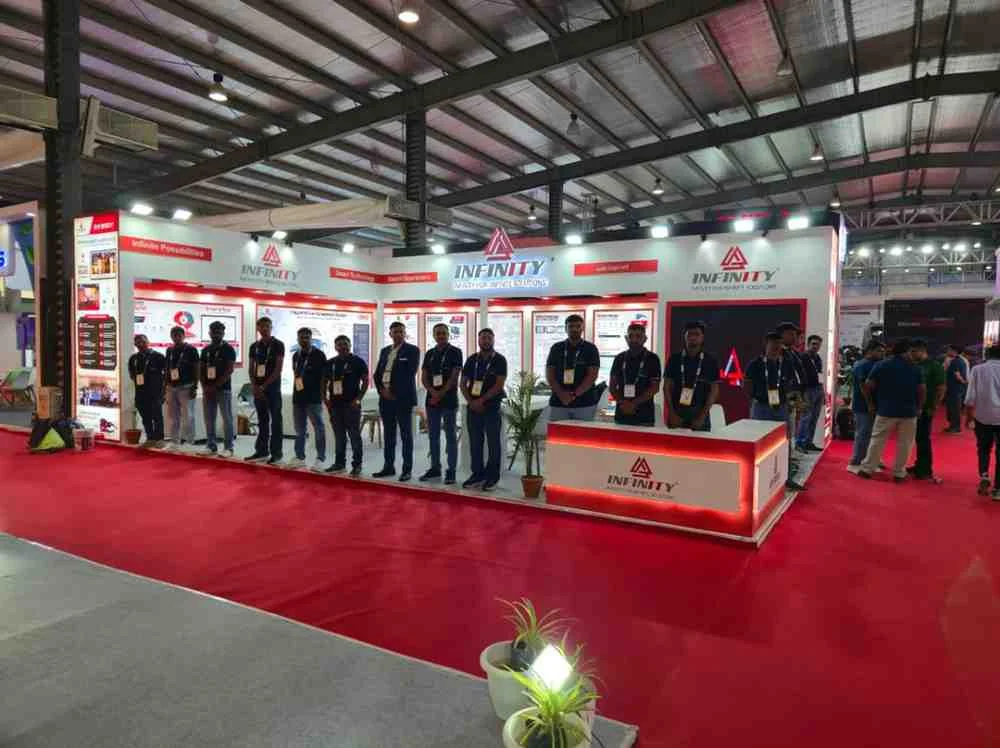
About this Exhibition
Bharat Mobility Global Expo 2027 Stall Design in Delhi
Event dates: Bharat Mandapam: 4–9 February 2027; Yashobhoomi: 4–7 February 2027
Venues: Bharat Mandapam, Pragati Maidan, New Delhi; Yashobhoomi, Dwarka, New Delhi
1,000+ Booth Designs Created
25+ Countries Served
800+ Happy Clients
10+ Years of Experience
Preparing to exhibit at Bharat Mobility Global Expo 2027? A mobility or automotive booth needs to make products, technology and business capabilities easy to understand. Krrish Creation supports exhibitors with custom exhibition stall design, 3D visualisation, fabrication planning and installation coordination, based on the confirmed venue, booth allocation and project brief.
The 2027 expo is scheduled across two New Delhi venues. Bharat Mandapam hosts the event from 4–9 February, while Yashobhoomi hosts it from 4–7 February. Confirm which venue and show segment apply to your participation before briefing a designer. The official expo information describes a broad mobility platform covering automotive and related mobility sectors; the organiser’s latest floor plan and exhibitor manual should guide booth planning.
Plan your Bharat Mobility 2027 exhibition stall
A trade show stand should help visitors recognise your business, understand what you are presenting and start a useful conversation. At a mobility expo, that may involve a vehicle, component, battery, software solution, charging technology, material, tyre, transport system or technical service. The booth design should follow the product and audience, rather than relying on a generic automotive display template.
Begin with the purpose of your participation. Are you launching a product, demonstrating equipment, meeting distributors, presenting a technology, arranging buyer discussions or building awareness for a new mobility solution? Identify the outcome first. It helps decide which products need prominent placement, how much demonstration space is required and what information visitors need to see.
Keep the event’s multiple venues in mind. The date range and location shown on your page should match your assigned venue. If you are participating at Bharat Mandapam, use its 4–9 February schedule. If your allocation is at Yashobhoomi, use the 4–7 February schedule. Ask the organiser to confirm the specific show, hall, stand number and access information before design approval.
Automotive exhibition stall design for product launches and displays
Automotive products are often large, technical and visually distinctive. A booth may need to display a vehicle, an assembly, a component or a scaled product model. Consider the product’s dimensions, approach direction, viewing distance and the space visitors need to pause. The stand should make the product visible without turning the surrounding circulation into a bottleneck.
When a product is the main attraction, give it enough room to be viewed from several angles. Keep branding and essential information visible from the aisle. Use graphics to explain the product’s role, key features or supporting service, then let your team handle the detailed conversation. Avoid crowding the stand with too many competing messages.
Make a large product easy to approach
If you are displaying a vehicle or large equipment, confirm its footprint and access path before the design is finalised. The product may need to be brought into the venue during a specific access window. Your plan should account for delivery, positioning, visitor clearance, power, safety and any removal requirements set by the venue.
Use the booth layout to guide visitors around the product in a natural way. Keep a clear route for entry and exit, and reserve space for staff to welcome visitors. If you want visitors to inspect details up close, identify the areas that can be approached and any parts that should remain restricted. The final arrangement must meet organiser and venue rules.
EV and mobility technology booth design
Electric mobility and technology displays can require screens, charging equipment, battery units, demonstration tables or technical explainers. Plan these elements together so the booth looks cohesive and the visitor can understand how the product or service fits into the wider mobility system.
Make technical information accessible without turning the stand into a wall of text. A clear headline, labelled product zone and short explanation can help visitors orient themselves. Use a screen or demonstration to show more detail when it adds value. Confirm screen location, power, mounting, brightness and sound requirements during the design stage.
If the stand includes batteries, chargers, active equipment or a live product demonstration, confirm safety, electrical, operating and approval rules with the organiser. A designer can plan around the information provided, but the official event instructions determine what equipment and activities are allowed.
Separate display, demonstration and meeting zones
A mobility booth may need several types of visitor interaction. A display zone attracts attention, a demonstration zone shows how a product works and a meeting area allows a longer business discussion. If the booth size permits, separate these activities so one does not disrupt the others.
Keep the demonstration visible but provide enough room for people to gather. Position meeting tables away from the main entrance, and give staff a route between the display and conversation areas. Storage should hold brochures, samples and personal items without taking over the public-facing space.
Exhibition stall layout for the assigned venue
Your venue, hall, stand size and open sides determine how visitors see and enter the booth. A one-side-open stand has different visibility needs from a corner, peninsula or island stand. The design should start with the organiser’s allocation rather than a reference booth from another event.
- • One-side-open booth: Position the primary product or message where aisle visitors can see it clearly.
- • Corner booth: Use both open sides to improve access and give visitors more than one way to engage.
- • Peninsula booth: Connect the open sides with a simple path between display and meeting areas.
- • Island booth: Make the brand and product visible from multiple directions while keeping circulation open.
These are general layout options. The final design must follow the actual floor plan, stand dimensions, height limits, access requirements and technical instructions for the assigned venue. Do not assume the rules or booth layouts are identical between Bharat Mandapam and Yashobhoomi.
3D exhibition stand design before fabrication
A 3D exhibition stand design lets your team review a proposed booth before fabrication begins. It can show the stand from aisle level and inside, helping you assess product visibility, graphics, visitor movement, counters, lighting and meeting space. For vehicle or equipment displays, review the footprint and clearance around the product carefully.
Use the concept review to check whether the booth makes the main message easy to understand. Confirm that visitors can enter without obstruction, that staff can access display areas and that demonstrations have adequate room. If the booth includes screens or interactive elements, check their placement and visibility from the aisle.
Before approving the design, compare it with the organiser’s latest floor plan. Confirm the assigned venue, hall, stand number, open sides, height limits, structural requirements, electrical needs and approval deadlines. If an event manual has not yet been supplied, keep those items pending and verify them before production begins.
Exhibition stall fabrication and installation
Exhibition stall fabrication turns the approved design into a physical booth. Depending on the project scope, it can include the structure, counters, wall finishes, graphics, lighting, display fixtures, furniture and transport. A project involving vehicles or heavy equipment may also need coordination for delivery, entry, positioning and safe display.
Ask for a written scope that explains which items and services are included. Design, fabrication, printing, venue labour, electrical services, transport, installation, dismantling and organiser charges may be separate. Clarifying them early helps your team plan the budget and understand who is responsible for each step.
Installation needs to follow the venue’s official access and build-up schedule. Confirm the delivery route, vehicle access, contractor passes, work hours, safety procedures and final inspection process with the organiser. These details can differ between venues, so verify them for the specific location where your booth will be built.
What to include in your mobility expo booth brief
A useful brief gives an exhibition stall designer enough information to develop a relevant concept and project quotation. If some details are still pending, list them clearly rather than guessing.
- • Your assigned venue, hall, booth number and organiser floor plan.
- • Booth dimensions, open sides, height limits and structural restrictions.
- • Vehicles, components, batteries, equipment or technologies to display.
- • Product dimensions, weights, access needs and demonstration plans.
- • Screen, lighting, electrical, charging and technical requirements.
- • Brand guidelines, logo files, approved colours and final graphics.
- • Requirements for buyer meetings, reception, storage and staff access.
- • Budget range, design deadlines, venue submissions and preferred services.
- • The latest exhibitor manual and any organiser approvals already received.
Design the booth around visitor intent
Visitors may arrive to compare products, check specifications, watch a demonstration or find potential suppliers. A strong booth makes the intended next step clear. Use the main display to attract attention, short graphics to introduce the offer and a welcoming area where your team can start conversations.
For buyers who need technical detail, provide a way to continue the discussion without blocking the main display. This could be a meeting table, a screen with product information or a member of staff ready to explain specifications. The design should support your sales process while keeping the booth open and approachable.
Consider the full visitor journey: what someone sees from the aisle, where they pause, what they can inspect, and how they connect with your team. These practical decisions often have more value than adding decorative elements that do not support the product story.
Materials, graphics and lighting for mobility displays
Materials and finishes should suit the brand, venue and product. A vehicle display may need a clean surface and focused lighting; a technology booth may use screens and information panels; a component exhibitor may need organised shelves or product mounts. Select finishes that work with the booth’s actual use and production requirements.
Graphics should identify your company and explain the display without overwhelming it. Use a clear hierarchy: brand name first, primary product or capability next, and supporting detail where visitors can read it comfortably. For a multi-product booth, use labels or sections so each area has a purpose.
Lighting helps visitors see products, graphics and demonstrations. Discuss fixture locations, power access and any venue restrictions with the design team. Avoid glare on screens or reflective products, and ensure that lighting supports safe movement around the booth.
How to compare exhibition stand quotations
Compare proposals by reviewing deliverables and responsibilities, not only the total price. Check materials, finishes, graphics, displays, lighting, transport, installation, dismantling, taxes and any venue services. Ask how design revisions and late changes will be handled, especially if the floor plan or technical requirements change.
- • Is the design based on the confirmed venue, hall and booth dimensions?
- • Are vehicles, equipment or large product displays included in the layout?
- • Are materials, graphics, screens, lighting and fixtures specified clearly?
- • Who coordinates venue submissions, transport and installation?
- • Are power, equipment handling and demonstration requirements addressed?
- • What is excluded, and how will revisions or changes be priced?
See examples in the Krrish Creation exhibition stall design and fabrication portfolio. A previous project can help you evaluate a design partner’s work, but your own venue allocation and product requirements should guide the final solution.
Plan the project timeline for Bharat Mobility 2027
Start once your participation and booth allocation are confirmed. The timeline depends on design complexity, product size, approvals, materials, fabrication and venue access. A project with vehicles, machinery or special equipment may need additional planning for delivery and safe installation.
- • Confirm the venue, hall, stand allocation and organiser floor plan.
- • Prepare product, equipment, brand and demonstration details.
- • Review the 2D layout and 3D concept against the actual booth space.
- • Confirm materials, graphics, electrical needs and display fixtures.
- • Agree on production, delivery, installation and dismantling responsibilities.
- • Recheck organiser instructions and deadlines before the build begins.
This is a general project-planning sequence, not an official event schedule. Use the current exhibitor documents for build-up dates, access rules, submission deadlines and venue-specific instructions.
Why work with Krrish Creation?
Krrish Creation is an exhibition stall design and fabrication company with 10+ years of experience. The team works with exhibitors on booth layouts, brand presentation, product displays, 3D concepts and build scopes. Clear communication between design and fabrication planning helps teams understand what will be produced and what the venue requires.
For Bharat Mobility Global Expo 2027, share your assigned venue, booth dimensions, mobility products, technical requirements and target audience. Krrish Creation can review your brief and discuss the appropriate design and fabrication scope. Venue access and installation arrangements should be confirmed for the specific show location.
If you are still comparing dates and shows in Delhi NCR, see the Krrish Creation Delhi exhibitions guide. For this event-specific page, use the organiser’s latest details for Bharat Mandapam or Yashobhoomi.
Request a Bharat Mobility 2027 stall quotation
Send your booth dimensions, hall details, open sides, product list, brand files, demonstration requirements and preferred services. Mention whether you need design only or a coordinated design, fabrication and installation package. If the organiser’s final floor plan or technical manual is not yet available, note that in your enquiry.
Explore the exhibition stall design service, browse the upcoming exhibitions directory or contact Krrish Creation to discuss your Bharat Mobility project.
Venue dates, exhibitor instructions and access schedules may change. Confirm current information with the official Bharat Mobility Global Expo website before making arrangements.
Frequently Asked Questions
• When is Bharat Mobility Global Expo 2027?
• Where is Bharat Mobility Global Expo 2027 held?
• Are both venues open for the same dates?
• What sectors are covered at Bharat Mobility Global Expo?
• Can Krrish Creation design a stall for Bharat Mobility 2027?
• What information is needed for a mobility expo stall quotation?
• Can the booth include a vehicle or large equipment display?
• Can I get a 3D exhibition stand design before fabrication?
• How much does a Bharat Mobility exhibition stall cost?
Planning for your exhibition?
Let us build your booth for this show. Get in touch and we'll handle everything.