
53rd Dairy Industry Conference & Exhibition 2027
Urja Bharat Convention Centre · Betul, South Goa, Goa, India
January 21, 2027
Exhibition Gallery
About this Exhibition
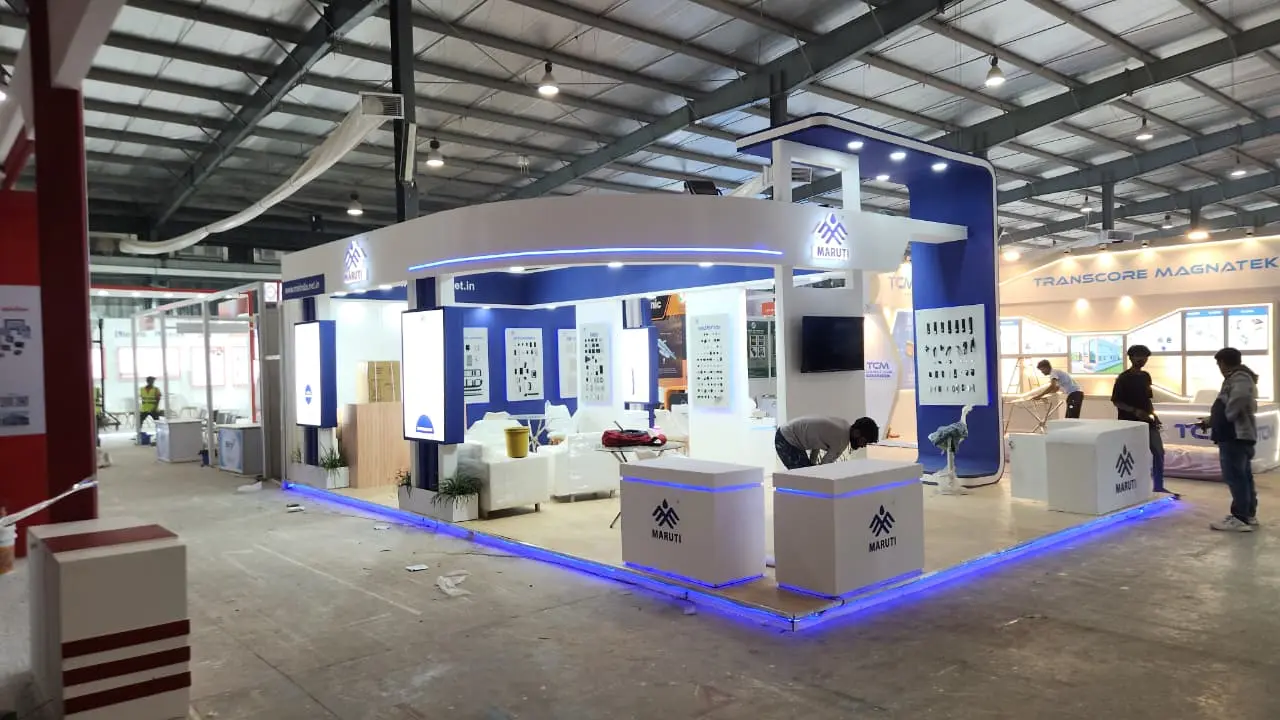
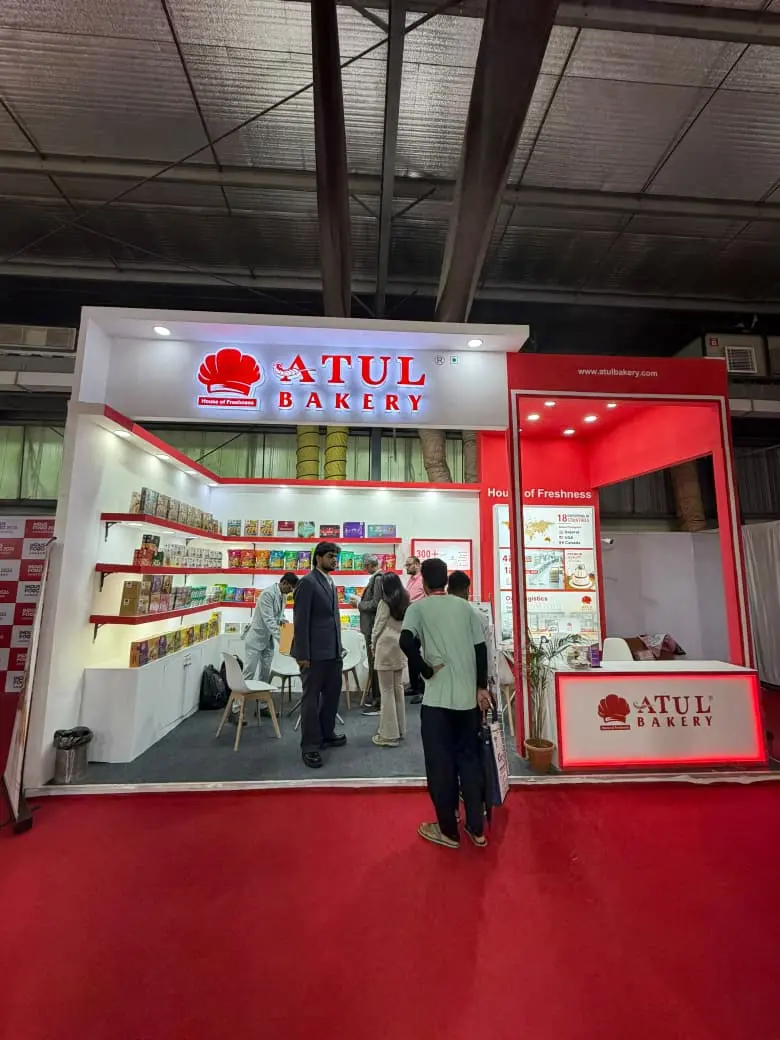
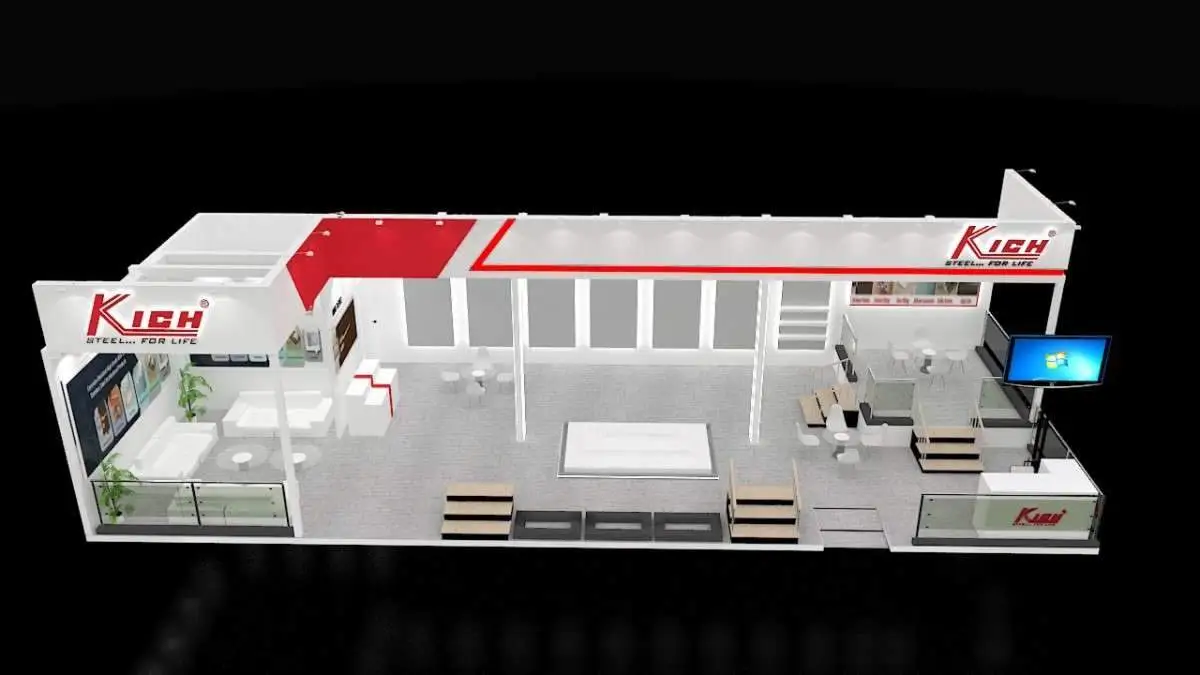
Exhibition Stall Design for 53rd Dairy Industry Conference & Exhibition 2027
The 53rd Dairy Industry Conference & Exhibition 2027 brings the dairy sector to Urja Bharat Convention Centre, Betul, South Goa, from 21–23 January. Exhibitors can present relevant products, technologies and services. Effective exhibition stall design helps visitors understand applications, examine capabilities and begin useful discussions about dairy farming, processing and business requirements.
Krrish Creation provides exhibition stall design, exhibition stand fabrication and trade show booth building services with worldwide positioning and 10+ years of experience. Share your confirmed allocation, product schedule and presentation objectives to discuss a practical booth proposal for the Goa exhibition.
Planning your dairy industry stand? Call +91 97278 25193 or send your exhibition requirements to Krrish Creation. Event participation, space allocation and delegate registration are separate processes managed through the organisers.
53rd Dairy Industry Conference & Exhibition: Event Overview
The conference and exhibition connects discussion of dairy-sector priorities with the presentation of products, technology and services. For exhibitors, the task is to explain a specific offer clearly within that broad industry setting. Visitors should be able to identify what your company supplies and the applications it supports.
A good stand gives different visitors an appropriate starting point. A person seeking an introduction should be able to understand the basic offer, while someone with a technical requirement should find the right specialist and supporting information. The layout should accommodate both without turning every conversation into a lengthy presentation.
| Event | 53rd Dairy Industry Conference & Exhibition 2027 |
| Dates | 21–23 January 2027 |
| Venue | Urja Bharat Convention Centre |
| Location | Betul, South Goa, Goa, India |
| Organisers listed by IEML | Indian Dairy Association and India Exposition Mart Limited |
| Published theme | Cattle to Kettle: Empowering India’s Women Dairy Farmers |
| Industry | Dairy farming, processing, equipment, technology and allied services |
| Calendar-listed hours | 9:00 AM–6:00 PM, subject to final programme instructions |
| Timezone | India Standard Time, UTC+05:30 |
| Stall availability and charges | Request current information from the organisers |
| Conference website | 53rd Dairy Industry Conference official website |
Obtain the current exhibitor instructions, allocation letter and floor plan before commissioning construction. Confirm your hall, stand number, dimensions, open sides and package inclusions. Public event hours do not establish contractor access, installation or dismantling windows.
Why Exhibit at the Dairy Industry Exhibition 2027?
Dairy-sector products and technologies often need a practical explanation. A visitor may want to understand a process, examine an instrument or discuss how equipment fits an existing operation. A physical exhibition stand gives your team a suitable setting for those conversations and connects the product with its intended application.
Choose the commercial objective before developing the booth design. You may want to introduce equipment, discuss distribution, present packaging solutions or meet existing customers. Each objective affects the balance of displays, demonstrations, technical information and meeting space required.
Make the Application Easier to Understand
A useful exhibition booth design shows where your solution fits in the dairy value chain. Explain the relevant stage and the role your company performs. A component, process diagram or demonstration should support the same message rather than introduce unrelated capabilities.
Keep the first explanation concise while making detailed information available. Visitors should not need to interpret a dense technical wall before understanding the offer. Your specialists can then use the exhibit to discuss requirements, suitability and the information needed for a further assessment.
Prepare for Different Buyer Conversations
A processor, equipment distributor and farm-related business may approach with different questions. Decide which enquiries your team wants to prioritise and prepare suitable supporting material. Do not assume that every visitor is looking for the same purchasing arrangement or is ready to make a decision.
Record the application, product of interest and agreed next action. Contact details without context can be difficult to follow up effectively. A clear enquiry process helps the appropriate person continue the discussion after the exhibition without asking the visitor to repeat the entire requirement.
Connect your objective to the layout: Explore Krrish Creation’s exhibition stall design service and share what visitors need to understand about your offer.
Who Should Consider Exhibiting?
The event’s published overview spans the dairy ecosystem, including farming, processing, equipment and technology. Relevant businesses should assess whether participation suits their objectives and confirm their proposed exhibits with the organisers. Eligibility and acceptance should follow the current participation process.
The examples below are display-planning suggestions for suitable exhibitors. They do not guarantee acceptance, attendance by specific buyers or permission to run a particular activity inside the venue.
Dairy Processing Equipment Suppliers
Processing equipment exhibitors can use a suitable machine, component or model to explain the application. Select the exhibit according to the discussion you want to support. A full-size installation is not always necessary when a smaller display can communicate the relevant process clearly.
Provide accurate dimensions, weight, handling points and assembly requirements before the layout is approved. Identify whether the equipment is operational or presented as a non-operating display. The construction and logistics plan should account for the actual exhibit rather than a simplified visual placeholder.
Testing, Measurement and Quality Technology Businesses
Instrument exhibitors should plan a presentation that allows visitors to understand the workflow and view the equipment comfortably. Use consistent labels and authorised demonstration material. Explain the type of application being shown without implying performance beyond the product’s documented scope.
Check the operating requirements before planning a live demonstration. Samples, liquids, utilities or specialist procedures may require additional arrangements. Confirm the activity with the organiser and prepare a suitable alternative if the intended demonstration cannot be accommodated.
Packaging, Automation and Cold-Chain Suppliers
Packaging and automation exhibitors can organise the stand around a clear process sequence. Show the input, the operation and the intended output where appropriate. Keep physical samples close to the graphic or screen that explains them so visitors can follow the presentation without moving repeatedly across the booth.
Cold-chain and storage-related businesses should explain the actual scope supplied by the company. Supporting information can address the relevant application and the data needed for project assessment. Avoid making broad suitability or performance promises before the operating requirements are understood.
Farm-Related Businesses and Dairy Service Providers
Farm-related exhibitors can present products, equipment or services through practical examples and clear application information. Confirm the suitability of every proposed exhibit with the organisers. Do not assume that live animals, biological materials or other specialist displays are permitted because the event covers dairy farming.
Service businesses can use an authorised example or workflow to explain what is included. Give visitors a clear route to the person responsible for evaluating a requirement. A concise scope explanation is often more useful than a long list of general capabilities.
Exhibition Stall Design Ideas for Dairy Exhibitors
Stall design should make technical and commercial information approachable. A visitor should recognise the main offer, identify a relevant product and know where to begin a conversation. Structure, branding and display fixtures should work together to support that sequence.
Create a content inventory before selecting decorative features. List the equipment, samples, screens, graphics and documents that are essential. Identify which items attract initial interest and which support detailed evaluation. This helps the design team allocate the available space according to practical use.
Build a Clear Process Story
A process-led display can help explain how equipment or a service fits within a wider operation. Keep the sequence accurate and limited to the relevant stages. Visitors should understand what your company supplies and what belongs to another part of the system.
Use the same terminology across models, graphics and documents. If the exhibit represents only part of a process, explain that limitation. A clear introduction allows staff to spend more time discussing the visitor’s requirement instead of correcting assumptions created by the display.
Make Branding Readable and Specific
Your company name and principal offer should be visible from the intended approach. Support them with a small number of concise messages. Longer specifications can be reviewed beside the exhibit or during a discussion rather than filling the main wall with small text.
Review artwork at the intended size before approval. Check product names, contact details, terminology and claims. Any statement about quality, hygiene, efficiency or environmental performance should have an appropriate basis and internal authorisation.
Stand Design for Equipment Demonstrations
A demonstration needs room for the equipment, operator and people watching. Identify power, water, drainage, moving parts and any other requirements before finalising the layout. Confirm the proposed activity and required services with the organiser rather than treating them as included by default.
Keep the activity within the authorised area and preserve the visitor route. Prepare a non-operating explanation if the demonstration cannot run under the available conditions. A clear model or video can support a useful conversation without creating an improvised operating setup at the venue.
Product Sampling and Storage Planning
If you propose product sampling, confirm permission and the applicable event requirements before designing the counter. Identify storage, temperature control, handling and waste arrangements with the appropriate people. A booth contractor’s construction scope does not establish that a sampling activity is authorised.
Keep the public presentation organised by planning where replenishment stock, packaging and personal items will be stored. Assign staff responsibility for these tasks. Practical storage helps the team maintain a clear display without interrupting buyer conversations.
3D Stall Design Before Production
A 3d stall design helps your team review the layout before fabrication begins. Assess the aisle view, equipment positions, graphics and meeting space using realistic exhibit dimensions. The visual should reveal access and spacing issues rather than conceal them through generic display objects.
Consolidate feedback through a nominated contact and record the approved version clearly. Review the render, material specification and commercial scope together. This helps prevent the visual from suggesting supplied machinery, screens or features that are absent from the quotation.
Check the Specification Behind the Visual
Confirm structure, finishes, graphics, lighting, furniture and fixtures. Identify what your company supplies and the dimensions the contractor must accommodate. Discuss equipment access, connections and operating clearances before the arrangement is finalised.
The render does not replace structural, electrical or organiser approvals. Elevated, suspended or operating features should follow the current event process. Incorporate requested changes into the final production information before fabrication proceeds.
Exhibition Stand Fabrication and Project Delivery
A coordinated project connects the brief, design, production and installation plan. Dairy exhibits can combine bulky equipment, delicate instruments and products requiring particular handling. Accurate information should be available early so each element can be accommodated within a defined scope.
Discuss exhibition stand fabrication with Krrish Creation alongside your allocation and exhibit schedule. Identify deliverables, responsibilities and organiser-dependent decisions before work advances.
1. Confirm the Allocation and Brief
Share the stand number, dimensions, open sides and current floor plan. Explain the objective, exhibits, demonstrations and meeting functions. Add brand guidelines and event instructions. Identify pending information so assumptions can be resolved before they affect production.
Check whether the booked package provides a basic booth or raw space. Confirm alteration rules and external contractor procedures with the organisers. The proposal should not depend on construction freedom or services that have not been established through the participation documents.
2. Complete Design and Approval
Review the layout, visual concept and written specification. Agree who prepares approval documents, who submits them and who responds to comments. Clearly identify the final artwork and drawings so production does not use an outdated version.
Have the appropriate person check technical content and public-facing claims. Confirm graphic sizes and file requirements, and establish a final content deadline. Record how later changes will be reviewed and how they may affect the scope, price or schedule.
3. Fabricate and Prepare Components
Stall fabrication should follow the approved drawings and specification. Fixtures must suit the items they support, while visible finishes should match the agreed proposal. Review critical dimensions and assembly details before dispatch where practical, especially around machinery and custom display features.
Prepare an inventory covering structure, graphics, furniture and accessories. Record separately supplied exhibits and identify their receiving contact. Packaging should protect items during movement, while reusable components should have an agreed return or storage arrangement.
4. Coordinate Installation and Handover
Confirm authorised access windows, unloading arrangements and receiving responsibilities through the current exhibitor instructions. Agree the sequence for structure, equipment and graphics. Large exhibits may need to be positioned before surrounding construction restricts access.
At handover, check branding, finishes, lighting and exhibit positions. Test approved demonstrations under the conditions available at the booth. Record outstanding items and identify who will resolve them before the exhibition opens.
5. Arrange Dismantling and Return
Confirm when removal may begin and how products and equipment will be packed. Separate exhibitor-owned items from contractor components and reusable materials. Valuable instruments, fragile exhibits and specialist equipment should have clear collection contacts and return destinations.
Need a coordinated scope? Discuss trade show booth contractor services with Krrish Creation, including agreed design, fabrication, logistics, installation and dismantling responsibilities.
Custom, Modular and Fabric Stand Options
Choose the construction approach after confirming your allocation, exhibits and objectives. Obtain current package information from the organisers. No dimensions on this page are advertised as available Dairy Industry Exhibition booths or as a substitute for your confirmed booking.
| Approach | Potential suitability | What to review |
| Custom construction | Specific machinery layouts, tailored fixtures and distinctive presentation | Specification, approvals, production, handling and transport |
| Modular system | Adaptable components intended for suitable repeat use | Dimensions, appearance, ownership, storage and future compatibility |
| Fabric display elements | Selected lightweight graphics and branded backdrops | Fixing, stability, lighting and applicable material requirements |
| Organiser-provided booth | A basic structure where included in the confirmed package | Actual inclusions, alteration limits, graphic sizes and additional services |
Plan Around Open Sides and Visitor Movement
A single-frontage booth needs a clear message facing the main aisle. A 2 side open stall design can offer additional access, while a three side open stall design requires coordinated presentation from several directions. These are planning categories, not statements about event inventory.
Allocate space according to the work the booth must perform. A compact stand may prioritise one exhibit and a short discussion area. A larger allocation can support more functions, but each needs a purpose and sufficient staff to operate it effectively.
How to Choose Exhibition Stand Builders
Evaluate exhibition stand builders through relevant work, a suitable proposal and clear responsibilities. A dairy industry booth may need machinery handling, instrument displays or approved sampling arrangements. Ask how the contractor will address your actual requirements rather than selecting solely from an attractive render.
• Compare specifications: Check structure, materials, graphics, lighting, fixtures and furniture.
• Clarify exhibit handling: Establish who receives, positions, supervises and packs your products.
• Confirm approvals: Agree who prepares submissions and responds to organiser requirements.
• Review commercial terms: Understand taxes, payment stages, revisions, variations and exclusions.
• Identify project contacts: Know who coordinates design feedback and who resolves on-site questions.
Explore Krrish Creation’s custom exhibition stand builders service for a project-specific discussion. Previous examples can explain an approach, but the final proposal should reflect your allocation, exhibits and current event instructions.
Dairy Exhibition Planning Checklist
Work backwards from the organisers’ submission and installation deadlines. Required time depends on complexity, approvals, artwork, materials and equipment logistics. Ask for a schedule based on the actual project and complete decisions in the order needed to keep work moving.
• Confirm participation: Collect the allocation, current floor plan and 2027 exhibitor instructions.
• Finalise exhibits: Record dimensions, weights, handling instructions and operating requirements.
• Approve the design: Review layout, specification, artwork and commercial scope together.
• Arrange services: Confirm power and any specialist requirements through the appropriate process.
• Coordinate movement: Agree transport, unloading, installation, testing and return arrangements.
• Prepare follow-up: Assign enquiry ownership and keep authorised technical information ready.
Record Enquiries with Useful Context
Capture the product or application discussed and the agreed next action. A distribution enquiry, a plant equipment requirement and a service discussion may need different responses. Staff should know which information can be supplied immediately and which matters require further assessment.
Collect contact details responsibly and explain how they will be used. A relevant response is easier to prepare when the original requirement has been recorded clearly. Avoid making technical commitments without enough information simply to keep the conversation moving.
Exhibition Stall Design Cost and Budget Factors
Separate organiser participation charges from design and construction costs. Your booked package may include certain items and exclude others. Obtain current terms, then request a contractor proposal covering the additional work required for the approved allocation and planned exhibits.
No invented stall tariff or fabrication rate is quoted here. Cost depends on structure, materials, graphics, fixtures, equipment and delivery requirements. Two stands with similar floor areas can involve different work when machinery handling, sampling arrangements or custom displays change.
| Cost factor | Information required |
| Allocation | Dimensions, open sides and package inclusions |
| Construction | Structure, materials, finishes and approved specification |
| Branding | Artwork, graphic sizes, quantities and screen content |
| Exhibits | Weights, dimensions, operating needs and handling arrangements |
| Logistics | Transport, access, installation, dismantling and return requirements |
| Additional services | Taxes, venue charges, approved changes and excluded items |
Compare scope before comparing headline prices. Confirm quantities, material specifications and responsibility for separately payable services. Discuss stall fabrication with Krrish Creation and request inclusions and exclusions in writing so proposals can be assessed consistently.
Why Krrish Creation for Your Dairy Industry Exhibition Booth?
Krrish Creation specialises in exhibition stall design, exhibition stand fabrication and trade show booth building, with worldwide positioning and 10+ years of experience. Your project discussion begins with the objective, exhibits and confirmed allocation so the proposal can address the actual work required.
Connect the visual concept with practical delivery through a written brief. Explain how visitors should understand the display, then identify the structure, graphics, fixtures and installation work that support it. Agree which items the contractor supplies and which remain the exhibitor’s responsibility.
Review relevant examples in the exhibition stall design portfolio. Previous work can demonstrate presentation and finish quality, but should not be treated as evidence of official contractor status or automatic approval for a particular structure at this event.
Request Your 53rd DIC 2027 Booth Quotation
Send your company name, contact details, stand number, dimensions, open sides and floor plan. Include the equipment schedule, brand guidelines, proposed demonstrations, meeting requirements and budget expectations. Add current exhibitor instructions and deadlines already communicated by the organisers.
Krrish Creation can review your exhibition stall design and build requirements and discuss an appropriate scope. Delivery commitments depend on the confirmed brief, approvals and available schedule. Space booking, admission and conference registration remain separate organiser-managed processes.
• Call: +91 97278 25193
• Share your requirements: Discuss Dairy Industry Exhibition stand design on WhatsApp
• Request a quotation: Contact Krrish Creation for exhibition design and fabrication
Independent service provider: Krrish Creation is not the organiser of the 53rd Dairy Industry Conference & Exhibition and does not allocate exhibition space, issue admission passes or guarantee commercial outcomes.
Frequently Asked Questions
1. When is the 53rd Dairy Industry Conference & Exhibition?
2. Where will the 2027 dairy exhibition take place?
3. Who organises the event?
4. What is the published theme?
5. Who should consider exhibiting?
6. How can I book an exhibition stall?
7. What affects the cost of my booth?
8. Can Krrish Creation design and fabricate my stand?
9. Can I demonstrate dairy processing equipment?
10. Can I offer dairy product samples?
11. When should I start planning the stand?
12. How do I contact Krrish Creation?
Planning for your exhibition?
Let us build your booth for this show. Get in touch and we'll handle everything.