
RSNA 2026
McCormick Place, 2301 S. Dr. Martin Luther King Jr. Drive, Chicago, Illinois 60616, USA · Chicago, Illinois, USA
November 29, 2026
Exhibition Gallery
About this Exhibition
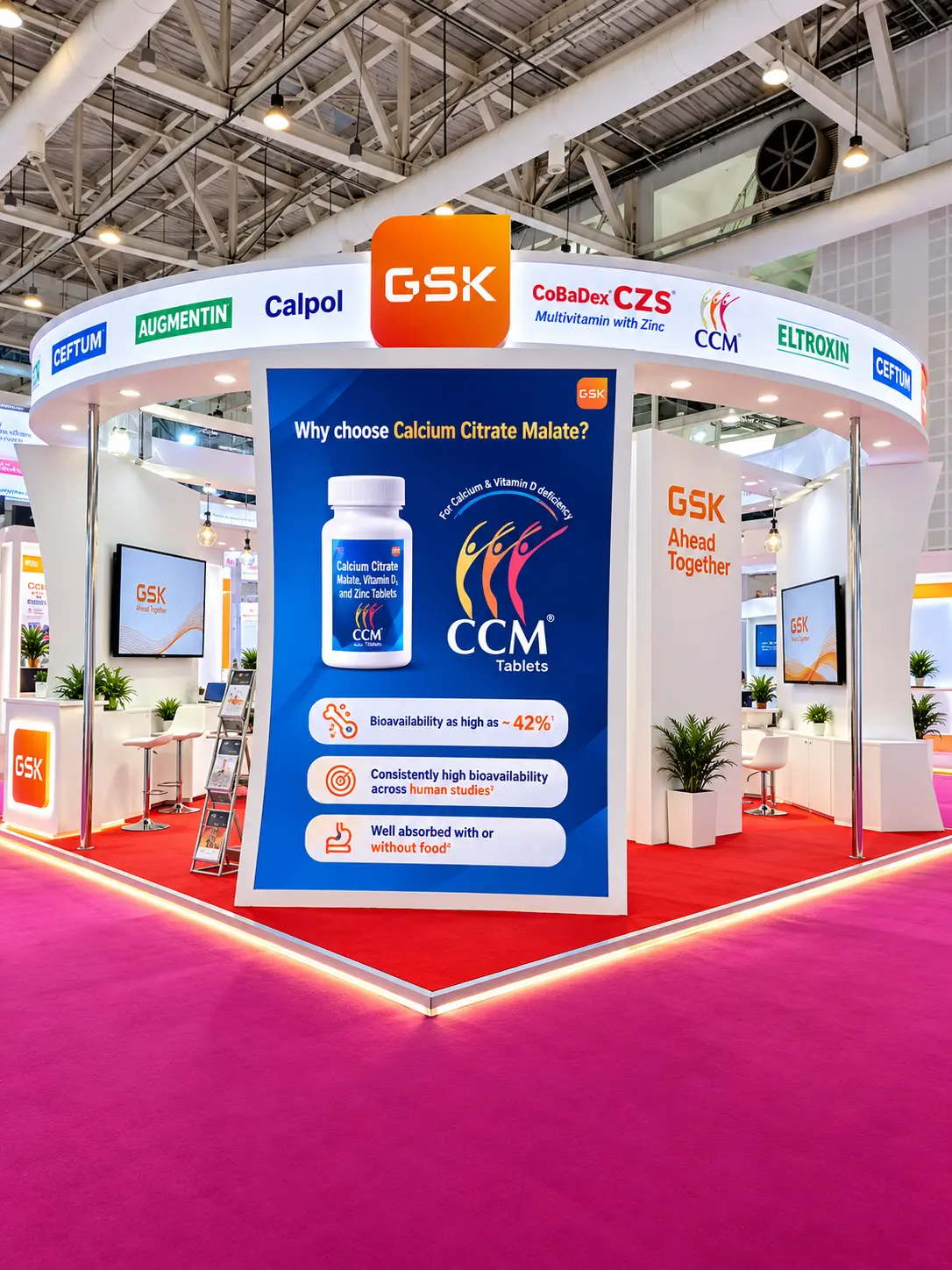
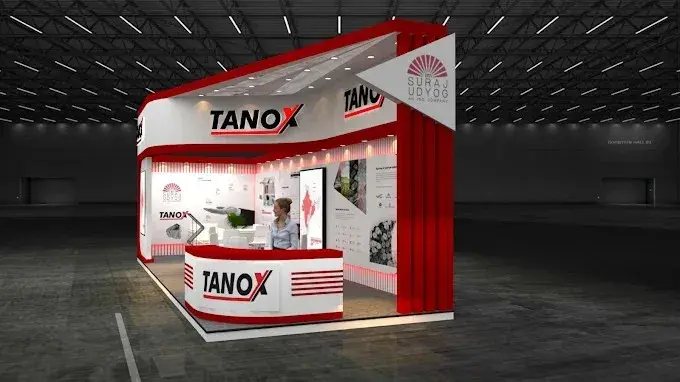
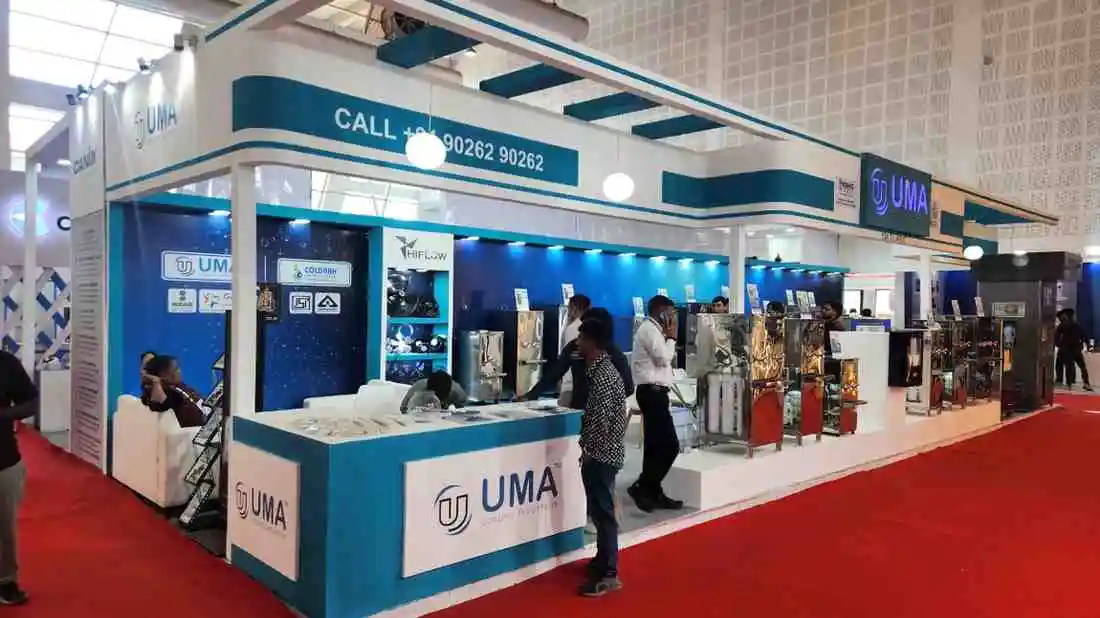
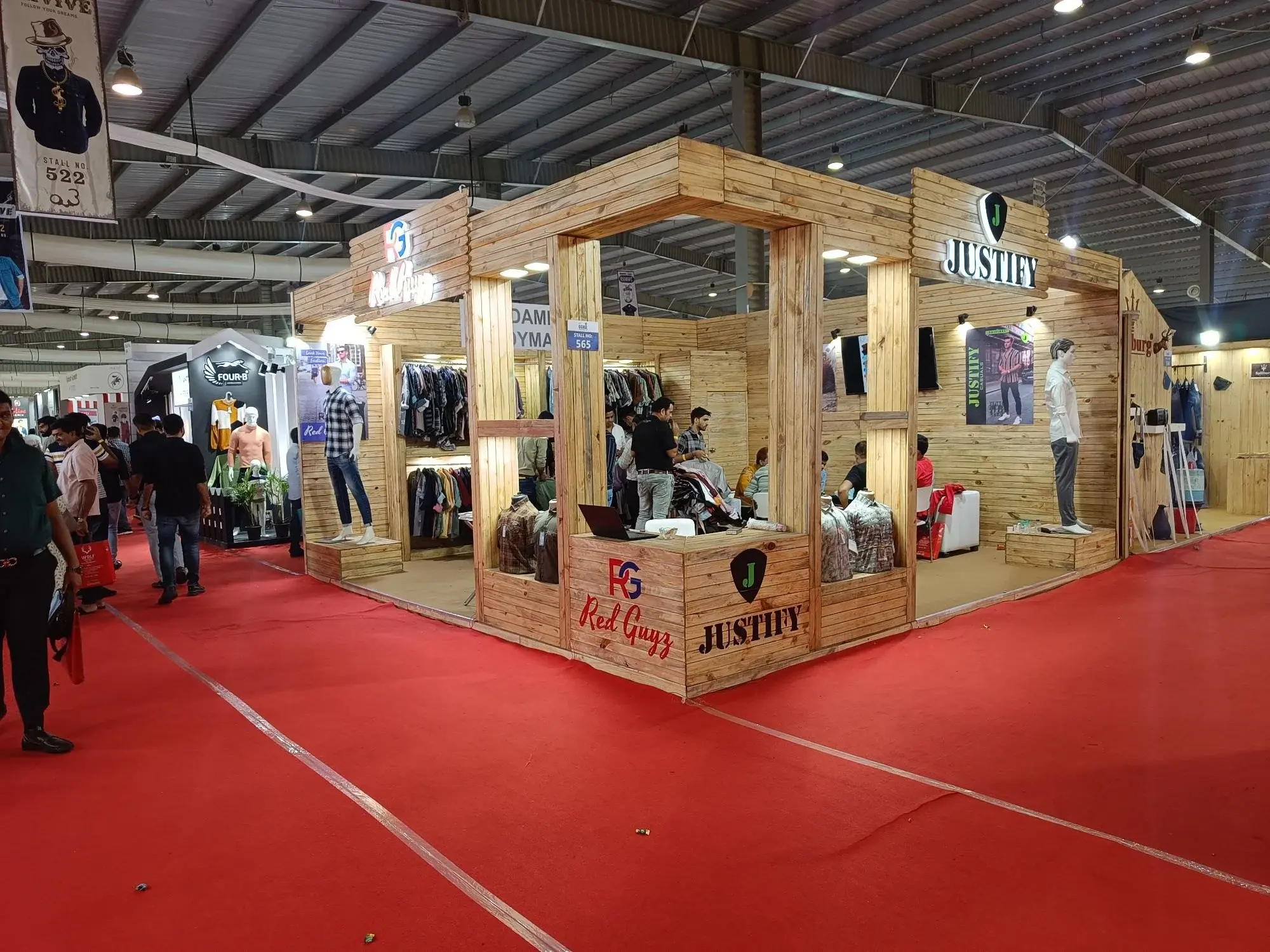
RSNA 2026 Exhibition Stall Design & Booth Fabrication in Chicago
RSNA 2026 is the 112th Scientific Assembly and Annual Meeting of the Radiological Society of North America, taking place at McCormick Place in Chicago from 29 November to 3 December 2026. For exhibitors, strategic exhibition stall design creates an effective environment for demonstrating medical imaging equipment, radiology AI, software, diagnostic technology and healthcare solutions to a highly specialised professional audience.
The RSNA Technical Exhibits run from 29 November to 2 December 2026 and bring together more than 700 manufacturers, suppliers, developers and technology companies across over 421,000 square feet of exhibition space. For medical-imaging brands, the challenge is not simply creating an attractive booth. The stand must help visitors understand complex equipment, software workflows, clinical applications and technical value quickly.
Krrish Creation provides worldwide exhibition stall design, exhibition stand fabrication, custom booth planning, display fabrication, installation and dismantling support. Exhibitors preparing for RSNA 2026 should plan the stand around confirmed booth dimensions, equipment, demonstrations, screens, electrical requirements, visitor flow, meeting requirements and RSNA's current Technical Exhibit rules.
RSNA 2026 Event Overview and Key Facts
RSNA 2026 carries the theme At the Center of Care and brings the international radiology community to Chicago for scientific education, medical-imaging innovation, professional networking and technology demonstrations.
| Event Detail | RSNA 2026 Information |
|---|---|
| Event | RSNA 2026 — 112th Scientific Assembly & Annual Meeting |
| Annual Meeting Dates | 29 November–3 December 2026 |
| Technical Exhibit Dates | 29 November–2 December 2026 |
| Venue | McCormick Place |
| Address | 2301 S. Dr. Martin Luther King Jr. Drive, Chicago, Illinois 60616, USA |
| City | Chicago |
| Country | United States |
| Organizer | Radiological Society of North America (RSNA) |
| Technical Exhibit Hours | 10:00 AM–5:00 PM CT, 29 November–2 December |
| Technical Exhibit Location | North Hall B, Level 3 and South Hall A, Level 3 |
| Industry | Radiology, medical imaging, AI, healthcare technology and diagnostic solutions |
| Registered Exhibiting Companies | More than 700 companies registered for RSNA 2026 |
| First-Time Exhibitors | More than 120 |
| Technical Exhibit Floor | More than 421,000 square feet |
| 2026 Visitor Total | Final attendance is not yet available before the event; no unverified estimate is used here |
RSNA describes the Annual Meeting as one of the world's leading forums for radiology. Its Technical Exhibits include medical-imaging equipment, applications, artificial intelligence, workflow technology, diagnostic platforms and other solutions used across radiology and healthcare.
Why Exhibit at RSNA 2026 in Chicago?
RSNA creates an unusually focused environment for companies selling to radiologists, imaging leaders, healthcare institutions, diagnostic centres and radiology technology teams. Visitors are not simply browsing a general healthcare exhibition; many arrive specifically to compare imaging systems, AI applications, workflow platforms, enterprise technology and clinical solutions.
Reach a highly specialised radiology audience
The Technical Exhibits connect manufacturers, developers, suppliers and service companies with professionals who understand medical imaging. This makes booth communication different from a broad consumer exhibition. Visitors may already understand CT, MRI, PACS, AI workflows, imaging informatics or diagnostic equipment, so your stand should communicate differentiation quickly.
Demonstrate medical imaging technology in person
Medical imaging and radiology technology often require a demonstration to communicate value effectively. Software platforms may need several screens, while hardware companies may need space for scanners, components, diagnostic devices or workflow demonstrations.
A strong booth design should make these demonstrations visible while preventing visitor groups from blocking entrances or surrounding exhibitors.
Generate deeper technical conversations
A radiologist evaluating software may need to understand clinical workflow, integration and performance. A hospital or imaging-centre decision-maker may focus on implementation, productivity, interoperability or procurement. The stand should therefore support both quick discovery and detailed consultation.
Build visibility in a competitive medical-imaging environment
More than 700 companies are currently registered for the Technical Exhibits. This creates a competitive floor where branding, product clarity and visitor experience matter. A visually distinctive stand can attract attention, but relevance and usability determine whether visitors remain and engage.
Exhibiting at RSNA 2026? Send your booth plan and requirements through the Krrish Creation contact page or call +91 97278 25193.
Who Should Exhibit at RSNA 2026?
RSNA's Technical Exhibits cover medical imaging equipment, healthcare software, artificial intelligence, workflow technology, diagnostic tools and related products. Companies operating across radiology and healthcare technology can use the exhibition to demonstrate products and connect with specialist buyers.
Medical Imaging Equipment Manufacturers
Companies working with MRI, CT, ultrasound, X-ray, angiography, mammography, nuclear medicine and other diagnostic imaging technologies can use the booth as both a product display and a technical consultation environment.
Large equipment requires early planning because dimensions, weight, electrical requirements, delivery routes, floor loading, installation sequence and visitor clearance may all affect the final stand.
Radiology AI and Machine Learning Companies
Artificial intelligence is a significant part of RSNA. The official 2026 AI Showcase occupies approximately 52,000 square feet, with more than 100 companies planning AI and machine-learning demonstrations.
AI companies usually need effective screen visibility, live demonstrations and spaces for explaining clinical use cases. Rather than covering a booth with generic AI messaging, use screens and graphics to show specific workflow problems, measurable improvements and clinical applications.
PACS, RIS and Enterprise Imaging Providers
Companies developing picture archiving, radiology information systems, enterprise imaging and workflow technology should design around software demonstrations and conversations.
Multiple demo stations can be useful, but each needs enough space for visitors and staff. If demo stations are positioned too closely, conversations overlap and screens become difficult to view.
Advanced Visualization Companies
Advanced visualization, 3D imaging and post-processing applications can benefit from high-quality displays, controlled lighting and focused demonstration stations.
Radiology IT and Healthcare Software Companies
Cloud platforms, reporting tools, interoperability solutions, workflow systems and healthcare IT companies can use booth storytelling to translate technical functionality into operational benefits.
Diagnostic Device and Imaging Component Manufacturers
Companies displaying sensors, accessories, imaging components, hardware or specialised diagnostic equipment should consider how visitors physically interact with products. Display height, accessibility, cable routing and security should be determined before fabrication.
Startups and First-Time Exhibitors
More than 120 companies are participating as first-time RSNA exhibitors in 2026. A smaller company does not necessarily need the largest booth. Clear positioning, a strong demonstration and an efficient visitor journey can make a compact exhibition stand highly effective.
Exhibition Stall Design Ideas for RSNA 2026
Effective exhibition stall design for RSNA should support medical-imaging technology, demonstrations and professional conversations while keeping the experience clear and easy to navigate.
Build the stand around one primary message
Visitors walking through a large exhibition hall cannot read a long list of features from every booth. Identify the most important proposition and make it visible from the aisle.
The message might focus on faster imaging workflows, diagnostic accuracy, enterprise interoperability, AI-assisted interpretation, image quality, productivity or another specific outcome.
Use 3d stall design before booth fabrication
A 3d stall design allows the project team to review screens, medical devices, signage, meeting areas, demonstration zones, reception and storage before construction begins.
This is particularly valuable for RSNA because imaging equipment and software demonstrations can require more space than expected. A 3D layout can reveal whether visitors standing around a demo will block nearby traffic.
Krrish Creation's custom exhibition stall designer service can be used when a booth needs to be planned around unique equipment and demonstration requirements.
Create dedicated live-demo stations
Software should be demonstrated at a comfortable viewing height with enough room for a visitor and product specialist to work together. If the booth contains several platforms, avoid placing every demo station in a single congested row.
Plan medical equipment displays around access
Large imaging technology needs more than empty floor space. Consider delivery, installation, electrical services, visitor access, safety clearances, technical access and how staff will explain the equipment.
Control screen glare and visual noise
Medical images and diagnostic interfaces need good display conditions. Lighting should support branding without making monitors difficult to read.
Use private or semi-private meeting areas strategically
Important conversations may involve procurement, integrations, contracts or partnerships. If stand size permits, provide a quieter meeting area without completely separating decision-makers from the booth experience.
Make visitor navigation obvious
A well-designed booth tells visitors where to enter, where to view technology and where to speak with staff. Avoid placing large counters directly across natural entrance points.
Exhibition Stand Design for Medical Imaging Brands
Medical technology companies need professional exhibition stand design that builds trust. The booth should feel technically credible while still being approachable.
Prioritise products and clinical value
Do not let architectural features overwhelm the technology. The stand design should direct attention to equipment, screens, demonstrations and the solutions visitors came to explore.
Use product zones when showcasing several modalities
A company presenting several solutions can organise the booth by modality, workflow or user need. Separate areas can help visitors understand where CT, MRI, AI, cloud, analytics or workflow technology fits within the portfolio.
Plan screens before walls
If screens are essential, determine quantity, size and viewing distance before finalising the architecture. This prevents later changes that affect graphics, wiring and structure.
Respect RSNA's professional exhibition environment
RSNA's exhibitor rules emphasise professional product demonstrations and prohibit various theatrical or entertainment-style attractions. Booth experiences should therefore focus on technology, education, demonstrations and meaningful engagement rather than unrelated spectacle.
Exhibition Stand Fabrication & Booth Building Process
After design approval, the project moves into exhibition stand fabrication. For an international event such as RSNA, production and venue logistics need to be coordinated closely.
1. Confirm the official stand allocation
Start with the exact hall, booth number, dimensions and booth type. RSNA uses different exhibit formats, including inline, end-cap, island, mobile and other special-interest configurations.
2. Define equipment and demonstration requirements
Create an inventory of every scanner, device, screen, workstation, server, display or physical product. Include dimensions, electrical requirements and installation requirements.
3. Develop the visitor-flow plan
Identify entrance points, demonstrations, meeting zones, reception, product displays and storage. Plan around expected visitor behaviour rather than simply filling available floor space.
4. Create the 3D exhibition stall design
Review the proposed booth from likely aisle angles. Confirm branding visibility, screen placement, equipment clearance and staff workflow before proceeding.
5. Technical drawings and approval
RSNA requires certain booth designs to be submitted for review. Its 2026 exhibitor schedule listed 31 August as the booth-design submission deadline for applicable exhibit types. Inline booths are not required to submit booth designs but still need to comply with inline-booth rules.
6. Exhibition stall fabrication
Krrish Creation's exhibition stall fabrication service connects the approved concept with structural construction, graphics, finishes, display elements and installation planning.
7. International logistics and freight planning
RSNA provides specific guidance for international exhibitors regarding freight, customs, material handling and temporary importation. International companies should plan shipping early and follow the current RSNA and McCormick Place requirements.
8. Move-in and installation
Targeted exhibitor move-in begins on 19 November 2026. Individual target dates depend on stand size, complexity, freight-door access and surrounding booths.
General move-in begins on 27 November. RSNA states that exhibits should be nearly complete by 4:30 p.m. on 28 November and show-ready by 9:00 a.m. on 29 November.
9. Final handover
Before opening, inspect lighting, branding, graphics, screens, product installations, furniture, demo systems and storage. Test any technology that depends on power or connectivity.
10. Dismantling
RSNA does not permit exhibitors to dismantle displays before 5:00 p.m. on Wednesday, 2 December. Dismantling and freight removal should follow the official move-out schedule.
For coordinated execution, explore Krrish Creation's trade show booth contractor service.
Custom, Modular and Fabric Stand Options for RSNA
| Booth Approach | Best For | Advantages | Considerations |
|---|---|---|---|
| Custom Exhibition Stand | Major imaging, AI and healthcare technology brands | High flexibility, integrated technology, distinctive branding | Requires detailed production and venue coordination |
| Modular Exhibition Stand | Repeat exhibitors and international companies | Reusable framework and adaptable layouts | Needs customised graphics and displays to avoid generic appearance |
| Fabric Display Stand | Graphic-led booths and lightweight branded environments | Large clean visual surfaces and efficient graphic transport | Medical equipment and screen support must be planned separately |
| Inline Booth | Compact displays and first-time exhibitors | Efficient use of smaller floor areas | Must follow RSNA inline-booth guidelines and sightline limitations |
| Island Booth | Large medical-imaging and enterprise technology brands | Four-sided visibility and flexible visitor flow | Requires careful planning of hanging signs, demonstrations and open approaches |
| Demo-Focused Booth | AI, PACS, enterprise imaging and software companies | Supports hands-on visitor engagement | Needs screens, power, connectivity and sufficient audience space |
Companies planning highly differentiated spaces can review Krrish Creation's custom exhibition stand builders service.
How to Choose an Exhibition Stand Builder for RSNA 2026
Choose a builder that understands technical exhibits
A medical-imaging booth is different from a simple promotional kiosk. Equipment, software demos, electrical needs and clinical presentation environments need practical coordination.
Provide the official floor plan before design
The exhibition stand builder should use the real booth allocation rather than creating a concept around assumed dimensions.
Ask how large equipment will be integrated
If the booth includes scanners, medical devices or specialist equipment, discuss transport, access, installation and final positioning before approving architecture.
Check whether demonstration traffic has been considered
Popular product demos can attract groups. The layout should provide viewing space without pushing visitors into aisles.
Request a clear fabrication scope
Confirm exactly what is included in graphics, flooring, furniture, lighting, logistics, labour, installation and dismantling.
Confirm compliance responsibilities
RSNA and McCormick Place have detailed requirements. Clarify who reviews booth rules, who submits required approvals and who coordinates venue services.
RSNA 2026 Stall Planning Checklist and Timeline
Confirm space: Verify hall, booth number, dimensions and booth configuration.
Review RSNA rules: Check current booth-design, signage, display, electrical and demonstration requirements.
Define the objective: Decide whether the priority is product launch, demonstrations, qualified leads, meetings, partnerships or brand visibility.
Map products and technology: Record every physical device, screen, workstation and demonstration.
Create the layout: Plan entrances, displays, demos, seating and storage.
Approve design: Review 3D visuals and technical specifications before fabrication.
Confirm venue services: Check power, internet, rigging, audiovisual requirements and other McCormick Place services.
Plan logistics: Confirm freight, drayage, international shipping, target move-in and installation arrangements.
Target move-in: Targeted freight and installation activity begins from 19 November according to assigned schedules.
General move-in: General move-in begins 27 November.
Completion: Exhibits should be nearly complete by 4:30 p.m. on 28 November.
Show ready: Booths must be ready by 9:00 a.m. on 29 November.
Technical Exhibits: 29 November–2 December, 10:00 a.m.–5:00 p.m.
Dismantling: Do not begin dismantling before 5:00 p.m. on 2 December.
RSNA 2026 Booth Cost and Budget Factors
An RSNA project budget should separate the official exhibit-space cost from exhibition stall design, fabrication, venue services, shipping and installation.
Official RSNA 2026 exhibit-space pricing
| Exhibit Space Type | Official 2026 Rate |
|---|---|
| Standard Exhibit Space | $41.25 per square foot |
| Premium Inline | $45.25 per square foot |
| Corner | $700 per assigned corner |
| Second Level | $20.75 per square foot |
| Contiguous Aisle | $20.75 per square foot |
| First-Time Exhibitor Pavilion | $46.25 per square foot |
These are RSNA exhibit-space rates, not Krrish Creation design or fabrication charges.
Booth size
More floor area generally increases material, flooring, lighting, graphics and labour requirements.
Medical equipment
Large imaging equipment can add logistics, floor-planning, installation and technical-service requirements.
Design complexity
Custom architecture, meeting rooms, high-level signage, special finishes and integrated media affect fabrication scope.
Technology and AV
Medical imaging software, AI platforms and enterprise systems may require multiple displays, computers and reliable connectivity.
Venue services
Power, internet, rigging, material handling, labour and other venue services should be budgeted separately where applicable.
Shipping and drayage
International freight, domestic transport and material handling can form a significant part of the overall project budget.
Why Krrish Creation for RSNA 2026?
Krrish Creation provides worldwide exhibition design and fabrication services for exhibitors participating in international trade shows and professional exhibitions.
Exhibition Stall Design
Plan brand visibility, product displays, visitor flow and technology demonstrations through Krrish Creation's exhibition stall design service.
Exhibition Stand Fabrication
Move an approved concept into structural production through exhibition stand fabrication.
Exhibition Stall Fabrication
For custom booth construction, graphics, displays and finishing, review the exhibition stall fabrication service.
Trade Show Booth Contractor
Projects requiring integrated planning, fabrication, logistics, installation and dismantling can use Krrish Creation's trade show booth contractor service.
Custom Exhibition Stall Designer
Medical imaging companies with specialised equipment or demonstration requirements can use the custom exhibition stall designer service.
Custom Exhibition Stand Builders
Large and highly branded booths can be planned through Krrish Creation's custom exhibition stand builders service.
Request an RSNA 2026 Exhibition Booth Proposal
Planning to exhibit at RSNA 2026 in Chicago? Send Krrish Creation your official booth number, dimensions, booth type, floor plan, product list, medical equipment details, screen requirements, brand guidelines, meeting requirements and preferred scope.
The more complete your brief, the easier it is to develop an exhibition stall design that supports technology demonstrations, visitor engagement and practical installation at McCormick Place.
Phone: +91 97278 25193
Project enquiry: Contact Krrish Creation
Upcoming events: Explore Upcoming Exhibitions
Frequently Asked Questions
Q1. When is RSNA 2026?
Q2. Where is RSNA 2026 being held?
Q3. Who organizes RSNA 2026?
Q4. How many companies are exhibiting at RSNA 2026?
Q5. Which companies should exhibit at RSNA 2026?
Q6. How do I reserve booth space at RSNA 2026?
Q7. How much does RSNA 2026 exhibit space cost?
Q8. What should an RSNA exhibition stall design include?
Q9. When does RSNA 2026 exhibitor move-in begin?
Q10. When can RSNA exhibitors dismantle their booths?
Q11. Can Krrish Creation design and fabricate an RSNA 2026 booth?
Q12. What should I send Krrish Creation for an RSNA booth quotation?
Planning for your exhibition?
Let us build your booth for this show. Get in touch and we'll handle everything.